
Machu Picchu from the Classic Viewpoint
Machu Picchu · Peru · Iconic
Photo: Diego Delso / Wikimedia Commons, CC BY-SA 4.0Terraces and stone buildings sit beneath a steep green mountain backdrop. The classic elevated composition depends on the circuit and entry conditions attached to your ticket.
The Shot
The familiar view depends on three readable layers: terraces in the foreground, the stone settlement through the middle, and the steep mountain behind. Give each enough space to establish its shape. If the nearest grass dominates, raise the framing slightly rather than stepping outside the visitor route. The strongest version is not necessarily the widest one, especially when distant ridges disappear into pale cloud.
Morning weather can transform the scene within minutes. Mist may briefly separate the buildings from the surrounding slopes, or hide the entire backdrop. Make a clear record whenever the view opens, then watch for more expressive cloud. Do not assume a sunrise effect is available with your admission. Your actual photographic window starts with the access permitted by your ticket, not with an idealized itinerary.
How to Get It
Start with the official Ministry of Culture website and read the current circuit descriptions carefully. Different tickets and routes can produce different experiences, and an admission ticket should not be treated as unrestricted access to every viewpoint. Confirm which elevated areas are included, the relevant entry conditions, and any equipment restrictions before purchasing. Ask an authorized source if the circuit wording leaves your intended composition unclear.
Allow for the separate journey to the site and the realities of a mountain environment. Carry rain protection, drinking water as permitted, and comfortable footwear suitable for steps and wet surfaces. Follow the route and directions given on the day. If movement is one-way or stopping is restricted, photograph within those limits rather than planning to retrace your steps for better light later.

Avoid the Crowds
This is a major visitor attraction, so an empty scene cannot be promised at any entry time. Once you reach an authorized viewpoint, compose efficiently and let other people share the space. Often the settlement occupies enough of the frame that nearby visitors fall outside it naturally. Avoid using a long portrait session to hold a prime position while a queue develops behind you.
A little patience can help when movement briefly clears a foreground path, but only where waiting is allowed. Otherwise, accept a few distant figures as useful scale. Do not rely on arriving outside your assigned time or switching routes to escape a group. Weather, visitor flow, and staff directions matter more than online claims about a universally quiet hour or a guaranteed empty terrace.
Phone Photography Tips
Use the main camera first and check that both the stonework and mountain fit without an extreme wide-angle effect. Tap a bright cloud or sunlit terrace to assess exposure, then adjust until pale areas retain texture. Take a second, slightly darker frame if the sky is much brighter than the ruins. Mist can look atmospheric without being forced into heavy contrast afterward.
Keep the phone steady, wipe away moisture, and inspect one image at full size before taking many near-identical frames. If clouds are moving, shoot a few separate photographs instead of a panorama that may stitch them awkwardly. A vertical image can emphasize the mountain above the settlement, while a horizontal composition usually explains the terraces and surrounding terrain more clearly.

Shoot Responsibly
Stay on the designated visitor route and never climb walls, step onto protected terraces, or cross ropes for an uncluttered foreground. The stonework and landscape are the subject, not supports for equipment or portraits. Follow current rules for bags, supports, and other gear, and leave prohibited items behind through an appropriate storage arrangement rather than expecting an exception at the entrance.
Give wildlife space and do not use food to place an animal in your composition. Keep voices low, carry out permitted packaging, and comply promptly with staff instructions. If bad weather obscures the classic view, photograph the textures and atmosphere available from your route. Respecting the site is more important than reproducing a particular image you saw before traveling.
Working with the Terraces and Mountain Weather
In the familiar elevated composition, Huayna Picchu forms the steep backdrop beyond the archaeological settlement. Treat its outline as a distinct shape rather than simply filling the upper frame with mountain. Leave enough sky or pale cloud around the summit for the profile to remain legible. Below it, look for the meeting of terraces and stone buildings, which creates a transition between cultivated slope and architecture. You do not need to identify every structure to make the scene coherent, but you should avoid cropping so tightly that the relationship between settlement and surrounding terrain disappears.
Where your assigned circuit includes a permitted upper viewing area, establish your composition before concentrating on passing mist. Use the terrace edges to lead toward the central buildings, and check whether a nearby patch of grass occupies more space than it deserves. Small changes in camera height can alter that balance without requiring movement beyond the route. An elevated view is not an invitation to climb a wall or stand on a terrace edge. If another visitor is already working from the best available position, prepare your settings while waiting rather than assembling equipment across the path.
The broadly drier part of the year often offers a better chance of clearer mountain outlines, but cloud and rain remain possible. Wetter months can bring lush slopes and dramatic moving mist, together with less predictable visibility and slippery surfaces. A completely clear sky is not always the most expressive result. Broken cloud can separate successive ridges and soften the contrast between bright grass and shaded masonry. Check forecasts for preparation, not as a promise of the view you will receive during your specific admission period.
When a cloud opening arrives, take a straightforward photograph first. Then refine the edges of the frame and make a second exposure if the route allows you to remain. Watch bright cloud carefully, because it can lose texture before the shaded buildings look adequately exposed on your screen. A camera's raw format can help preserve flexibility, while a phone's standard photo mode is often sufficient for a balanced scene. Avoid relying on a long automated night exposure or elaborate panorama where visitors need to keep moving through a confined viewpoint.
Transport planning should distinguish archaeological admission from the journey through the surrounding region. Travelers commonly reach Machu Picchu Pueblo by rail before continuing toward the site, but ticket availability, service arrangements, and alternative approaches require separate checking. Do not assume a train booking secures your preferred visitor circuit. Likewise, a site admission time is not your departure time from accommodation. Build in room for the required arrival process using current official guidance, and keep your documents accessible without spreading belongings over steps or obstructing other visitors.
Give yourself time to adjust to the wider Andean itinerary rather than treating this as an isolated photo stop. Fatigue, rain, and uneven steps can make a manageable route feel harder, particularly after an early journey. Carry only permitted essentials, keep rain protection ready before a shower starts, and use secure footwear rather than prioritizing an outfit for portraits. If llamas enter your composition, give them space and do not offer food or position yourself to force an interaction. A complete visit respects the archaeological fabric, wildlife, and the visitor route equally.
Access rules change. Check current official information before you go: Official Machu Picchu tickets (Ministry of Culture)
Nearby angles & similar frames
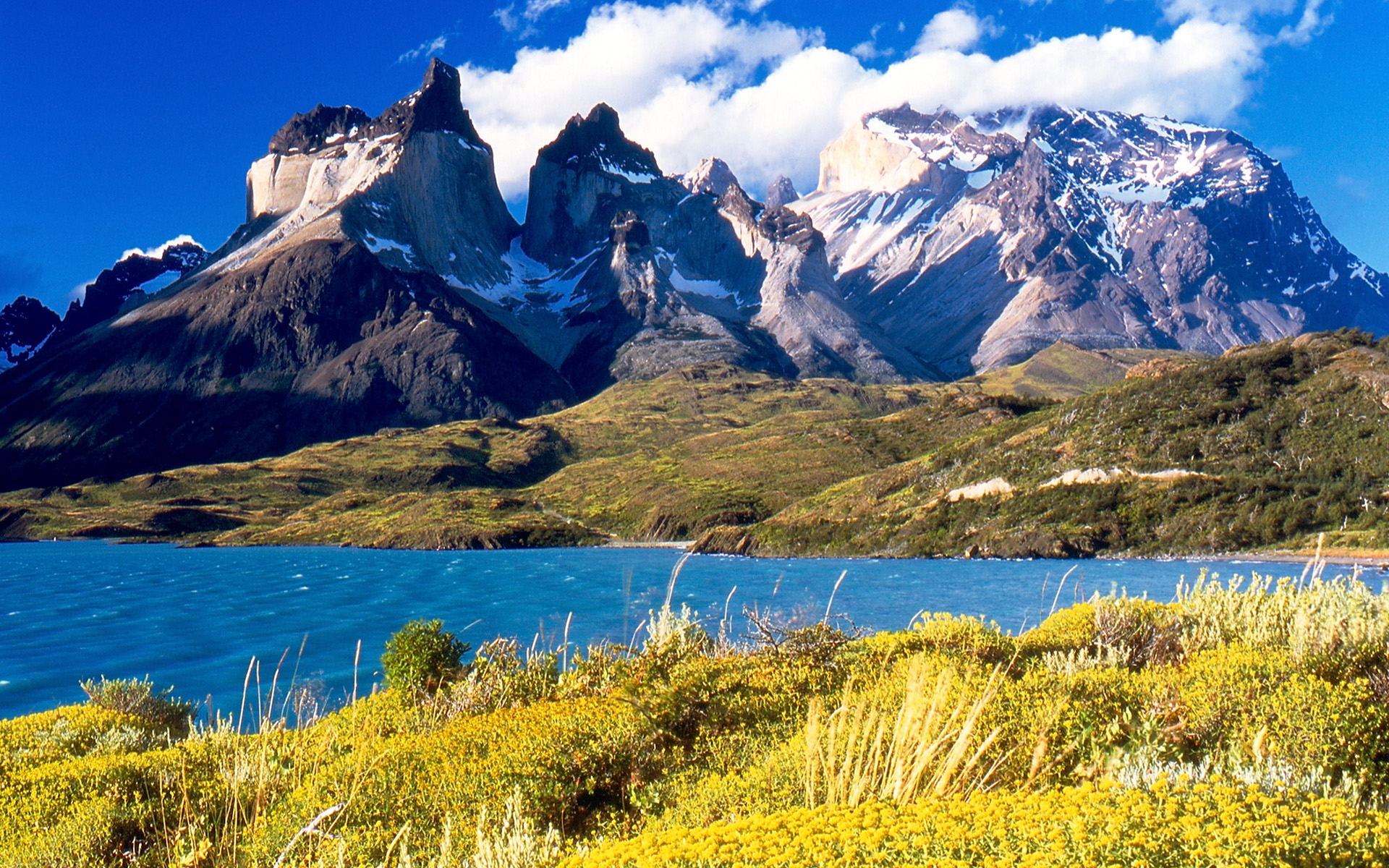
The Cuernos del Paine above Lake Pehoé
Another South American mountain scene where cloud and brief clearings shape the photograph; this requires a separate journey.

The Mirror Effect of Salar de Uyuni
A contrasting high-altitude landscape for a broader regional photography itinerary, not a nearby day trip.


